




17, Mar 2026
Ecological Craftsmen: Who Are They Really and Why Should You Trust Them?
You’ve probably come across the term “ecological craftsman” at some point – maybe on a flyer, a website, or someone mentioned it to you when you were thinking about renovating your home. But honestly, what does it actually mean ? Is it just a marketing label slapped on anyone who uses a bamboo paintbrush ? Or is there something more substantial behind it ?
Let me try to break it down properly, because I think this topic deserves a real conversation.
First Things First : What Is an Ecological Craftsman ?
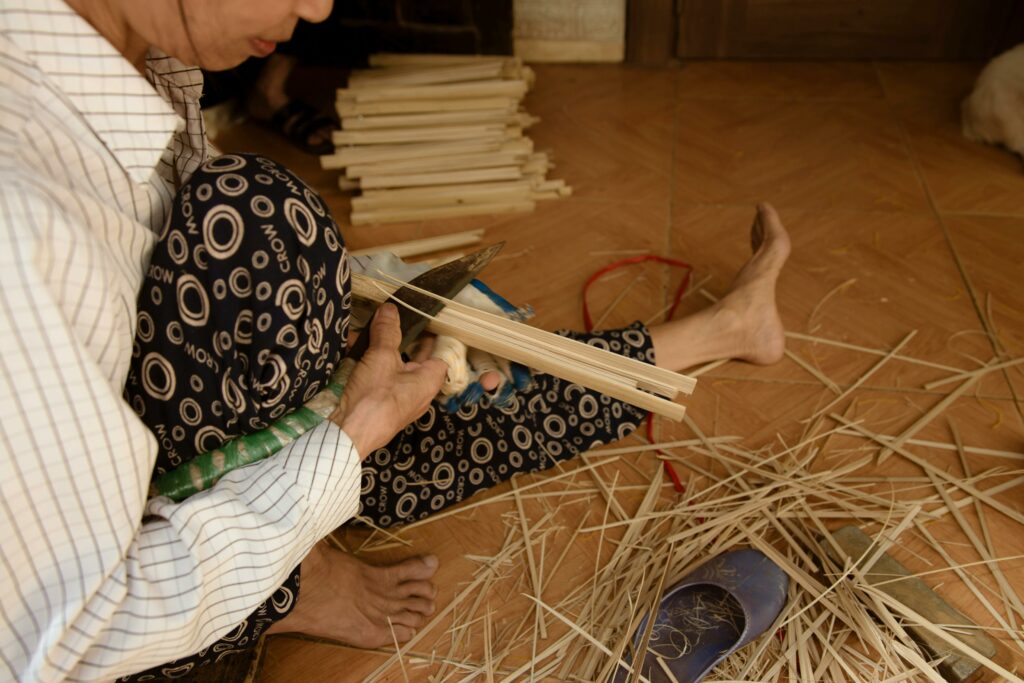 An ecological craftsman – or artisan écologiste in French – is a building or renovation professional who integrates environmentally responsible practices into their day-to-day work. If you want to explore what this movement looks like in practice, artisans-ecologistes-de-france.fr gives a pretty solid overview of who these professionals are and what they stand for. We’re talking about choosing natural materials over synthetic ones, reducing waste on job sites, using low-emission products, and often sourcing locally when possible.
It’s not just about slapping a green sticker on your van. The commitment runs deeper than that.
Some of these craftsmen work with materials like hemp, lime, wood fiber, or cork insulation – things that have been used for centuries, actually, and that are making a real comeback. Others focus on reducing energy consumption during their work, or on properly disposing of construction waste. A few do all of the above.
Are There Any Official Standards or Is It Just a Feel-Good Label ?
This is the question I’d want answered if I were in your shoes. And honestly, the answer is : it depends.
There are certifications that exist – like the RGE label (Reconnu Garant de l’Environnement) in France – which give some structure to what “ecological” really means in practice. But not every craftsman who works responsibly has a certificate on their wall. Some small independent tradespeople do genuinely excellent, sustainable work without going through formal certification processes. And conversely, some certified businesses don’t necessarily walk the talk every day.
So you have to look at the full picture. Ask questions. Look at past projects. Talk to former clients.
Why Are People Increasingly Turning to Them ?
There’s a shift happening, and it’s not just among die-hard environmentalists. More and more regular homeowners – people renovating a living room, insulating an attic, redoing a bathroom – are asking about ecological options. Why ?
A few reasons :
1. Health concerns. Conventional building materials can off-gas volatile organic compounds (VOCs) for months or even years after installation. Natural materials tend to breathe better and emit far less. For families with young children or people with respiratory issues, that’s not a small thing.
2. Long-term cost savings. Better insulation, more durable materials, lower energy bills – the upfront cost might be higher sometimes, but over 10 or 15 years, the math often works out differently. People are starting to think in longer cycles.
3. Genuine values alignment. Some people simply want their home to reflect who they are. That’s legitimate too.
How Do You Know If a Craftsman Is Really Ecological – Or Just Pretending ?
Greenwashing is real. I’m not going to pretend otherwise. Some businesses use “eco” or “green” as buzzwords without much substance behind them. So here are a few things I’d look at :
- What materials do they use ? Can they explain why they chose them ? A craftsman who genuinely works ecologically will talk your ear off about lime plaster versus cement render, or why they prefer wood fiber over polystyrene foam.
- How do they handle waste ? Do they sort it ? Do they reuse anything on-site ? This matters.
- Can they show you past projects ? Not just pretty photos – actual before/after with context.
- Are they part of any network or association ? Networks of ecological craftsmen do exist, and being part of one is usually a sign of engagement, even if imperfect.
Maybe I’m being a bit demanding here, but I think that’s fair when you’re inviting someone into your home and trusting them with a significant budget.
A Few Concrete Examples of What They Actually Do
Let’s get out of the abstract for a second. What does ecological craftsmanship look like in real life ?
Imagine a mason who, instead of using standard cement mortar, works with a lime-based mix. It’s more breathable, it regulates moisture naturally in old stone walls, and it’s far less carbon-intensive to produce. Sounds technical, but the difference in how your walls feel – in terms of comfort, humidity, temperature – can be quite noticeable.
Or think about a carpenter who sources timber from certified sustainable forests, uses water-based stains and finishes, and builds furniture designed to last 40 years instead of 10. That’s not glamorous. But it’s meaningful.
Or an insulation specialist who uses sheep’s wool or recycled newspaper (yes, really – it’s called cellulose wadding) instead of petroleum-based foam. Perfectly effective. Far less environmental impact.
These are real choices. Real trade-offs. And real craftsmen make them every day.
Should You Pay More for an Ecological Craftsman ?
 Sometimes, yes – you might. Natural materials can cost more upfront. Craftsmen who’ve trained in specific ecological techniques have invested in that knowledge and it’s reflected in their rates.
But I’d push back on the idea that it’s always more expensive. Sometimes it’s comparable. And sometimes the savings elsewhere (energy bills, durability, health costs) more than compensate.
The honest answer ? Get quotes. Compare properly. Don’t just compare the headline number – compare the materials, the lifetime of the solution, and the whole picture.
Where to Find Trustworthy Ecological Craftsmen ?
Word of mouth is still one of the best ways. Ask neighbours, friends, anyone who’s had recent work done and was happy with it.
Beyond that, look for craftsmen who are affiliated with recognized networks or who appear on directories that apply some level of vetting. Not every directory is equal, but some do a genuine job of curating professionals who share real ecological values.
The Bottom Line
Ecological craftsmen aren’t a myth. They exist, they do serious work, and for a lot of renovation and construction projects, they represent a genuinely better option – for your home, for your health, and for the planet.
Are they all perfect ? No. Is the sector perfectly regulated ? Not entirely. But the direction is right, and the craftsmen who’ve committed to this approach tend to be passionate about it in a way that shows in their work.
If you’re considering a renovation project and you’re wondering whether to go the ecological route – I’d say it’s worth the conversation. Ask the questions. See who can actually answer them.
That usually tells you everything you need to know.
- 0
- By admin